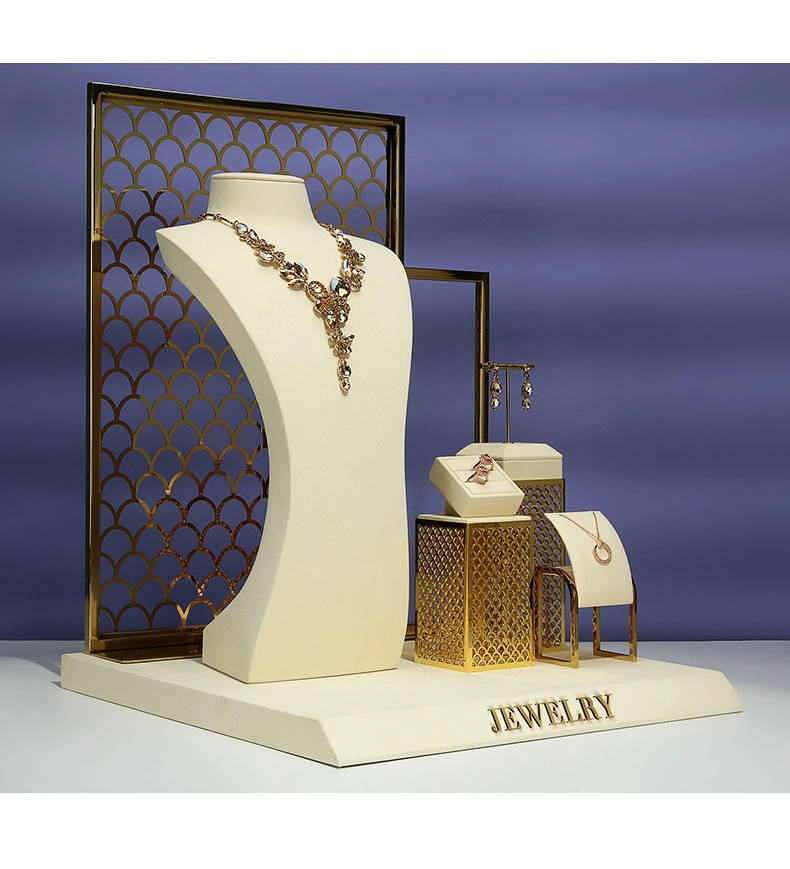
Jewelry display stands aren’t simply design trends; they’re tools that help your jewelry stand out and become more memorable and desirable. As a boutique owner, independent artisan, or online seller selling online, the key is matching each trend to your product’s particular material, style, target audience, and brand identity. Below are strategies to turn these trendy presentation choices into powerful presentation choices.
1. Leveraging Hyper-Sustainable Stands to Bolster Brand Values and Spotlight Artisanal Jewelry)
Sustainable display stands are ideal for jewelry that embodies eco-friendly attributes like recycled metals and ethically sourced gemstones, or targets customers such as Gen Z or Millennials who prioritize responsible shopping practices. Here is how they work:
2.Pair Material Stories: If you sell handcrafted silver jewelry made from recycled coins, pair it with an easel created from vintage silver scraps to emphasize its environmental credentials. Add a small, handwritten card which states: “This necklace and its stand are both made of recycled silver–together they save 12 gallons of water over traditional mining.” For organic jewelry (beaded pieces with natural stone) use mushroom mycelium stands to add texture that matches with its organic feel, creating an effective set.
Traceability as an Opportunity: If your sustainable stand comes equipped with a certificate stating its traceability (for instance, “made from 100% recycled ocean plastic, sourced from coastal cleanups in Bali”), display it prominently alongside it (rather than hiding it away). Online sellers could include photos of this certificate alongside an image showing its texture – this allows customers to understand why your jewelry presentation matters and makes their experience of it all the more meaningful.
Refurbish Stands to Refresh Collections: When introducing a seasonal line (such as beach-inspired jewelry for summer beach seasons), don’t waste money by purchasing all new stands–instead, use existing metal bases with updated finishes (for example swap gold plating for brushed silver) and change velvet insert colors accordingly (soft blue for ocean pieces for example). Customers will notice and appreciate your intentional changes.
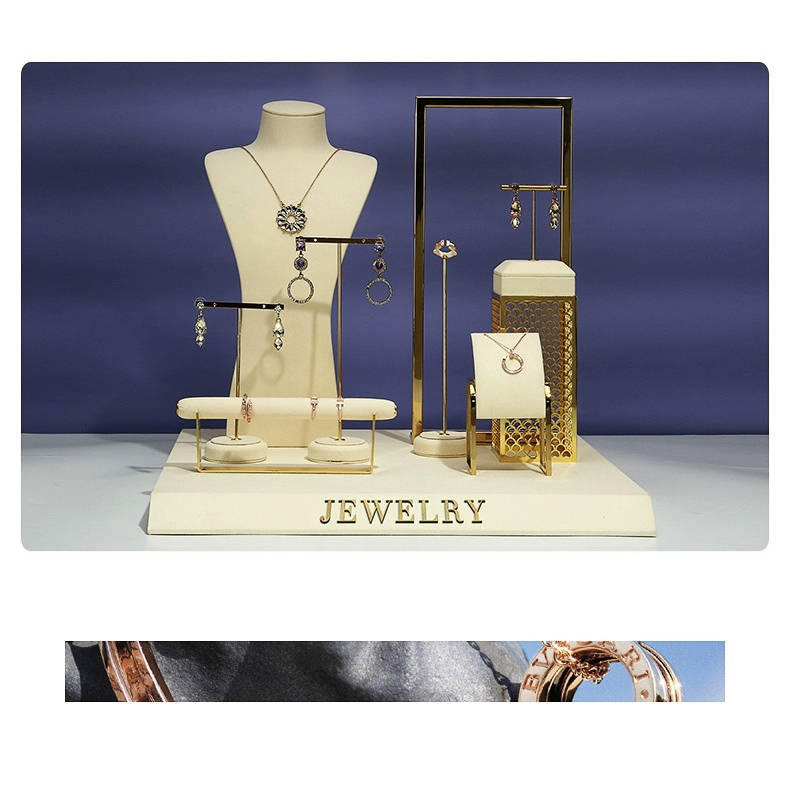
2. Leverage Tech-Driven Stands to Highlight Jewelry Details and Increase Engagement
Tech-driven displays should never overshadow your jewelry; rather, they should help its best features stand out more clearly and better understood by making it easier for users to appreciate them. Here’s how you can seamlessly incorporate them:
AI Lighting to Show Off Gemstone Brilliance: When selling jewelry featuring colored gemstones (rubies, sapphires or emeralds), use AI-adaptive lighting stands to bring out their color. A ruby necklace placed on an adaptive stand should have its red tone enhanced through exposure to warm 2700K lighting; for diamonds use cool 6500K lights so customers can witness how their diamond sparkles from all directions. To further amplify brilliance use cool 6500K lights alongside positioning near a mirror so customers can observe how its sparkle catches light from every angle.
Use QR Codes to Share Behind-the-Scenes Stories: For custom and heirloom jewelry (e.g., hand-engraved wedding bands), embedding a QR code subtly etched into metal will allow customers to scan it and watch a 30-second video showing you engraving or explaining its design process is an engaging way for customers to interact with your products; online sellers could add “scan here” prompts into product images linking directly to this video; making a static display into an engaging experience and more likely for customers to remember you over time!
Anti-Theft Tech for High-Value Pieces: When selling high-value jewelry (e.g. diamond engagement rings), use stands with weight sensors that don’t look bulky (no bulky locks!). Set it on a minimalist glass-topped stand equipped with hidden sensors; this allows customers to test out your rings by picking it up and trying it on without fear. Position these stands near checkout areas so sales associates can provide assistance should any queries arise during customer purchases.
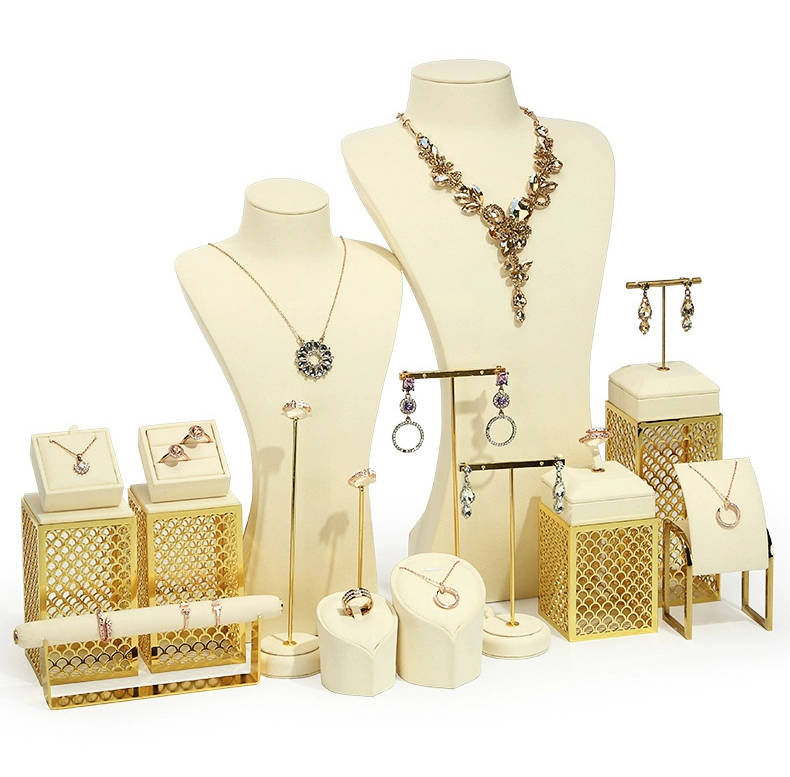
3. Modular Stands to Maximize Versatility (and Fit Any Space)
Modular systems provide sellers with maximum versatility and adapt to any space – ideal whether setting up a pop-up shop, selling at a craft fair, or updating online product photos. Here is how modular stands can help showcase various jewelry types:
Mix-and-Match Displays for “Curated” Looks: When setting up a craft fair booth, use a modular base unit to create an eye-catching multilayered display: connect T-bars for necklaces on one side, ring towers in the middle and earring hooks on another. Arrange complementary items together (e.g. silver necklace with earrings that match and a ring) so customers can imagine full sets – this encourages repeat purchases! For small spaces stack modular ring trays vertically instead of spreading out to save counter space while keeping rings visible – stack modular trays vertically instead of spreading out across surfaces – saving counter space while keeping rings visible.
Collapsible Stands for Pop-Ups and Gifting: When selling at pop-ups (such as holiday markets), use collapsible wooden bracelet bars that fold flat for transport. As soon as a customer buys one of your bracelets, allow them to take home (folded neatly in their branded bag) the stand as part of the “free gift with purchase”. Customers will use this functional storage solution every time they see it and remember your brand every time they see it! For online sellers, shipping jewelry in collapsible stands (such as small acrylic earring boards that unfold) makes unboxing feel special and encourages sharing photos on social media networks like Instagram!
Dual-Use Stands for Omnichannel Consistency: If your business sells both in-store and online, use one modular stand to ensure consistency between platforms. For example, a ring tray that splits into individual compartments could be used both ways – in your boutique to display stackable rings before being taken apart to photograph each individually for your website’s gallery page and online photos; once online photos have been taken place them on neutral backgrounds such as white or light gray to keep the focus solely on the ring, just as it would look in person compared with online photos; no “it looks different in person”. For online photos you should place compartment on neutral backgrounds (e.g. white or light gray), as you would do when selling directly in-store.
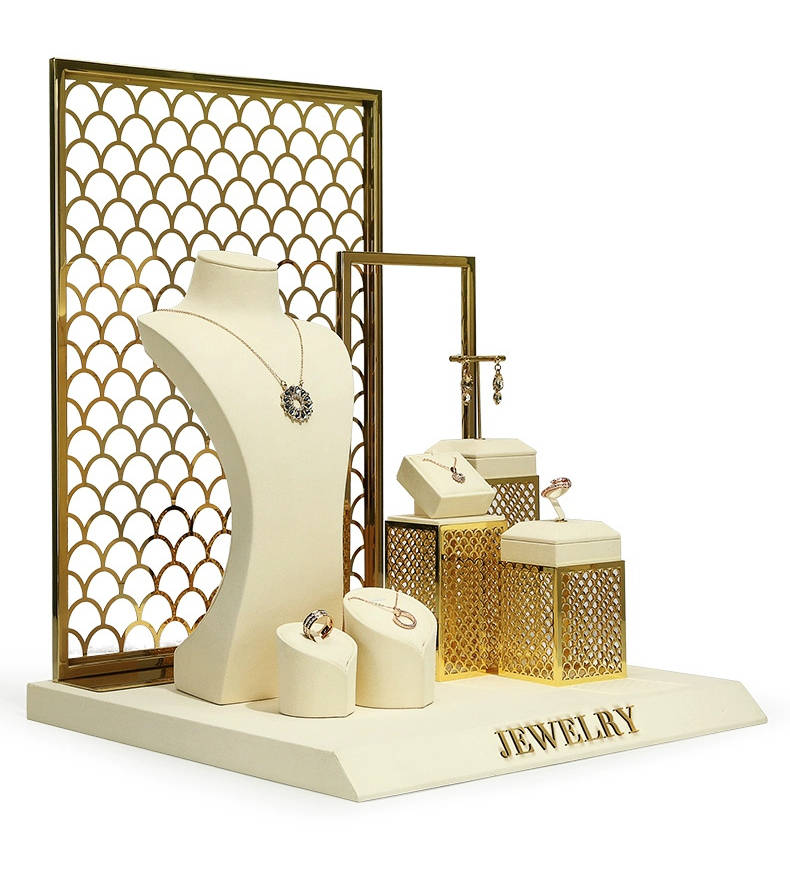
4. Biophilic Stands to Create a Relaxed Atmosphere and Complement Natural Jewelry
Biophilic displays work especially well for jewelry with an organic or natural feel (e.g. wooden bangles or beaded necklaces with stone accents) or brands looking to promote wellness (such as wellness-focused jewelry lines). Here’s how they work:
Use Organic Shapes to Match Jewelry Design: If you sell fluid jewelry (e.g., hammered copper bracelets that wrap around the wrist), pair it with an organic stand crafted from reclaimed wood that mimics tree branch branches in terms of organic curves – this helps customers visualize how the bracelet will look on them! For geometric silver earrings (such as geometric earrings with sharp corners), pairing with mycelium stands featuring soft undulating edges can create subtle contrast that make these items stand out without feeling harsh to customers.
Sensory Touches to Elevate “Feel”: For soft jewelry (e.g. silk cord necklaces), velvet stands infused with subtle lavender scent can create an enjoyable sensory experience that complements their silk texture. Customers picking up silk jewelry may smell the lavender–this provides a luxurious experience when picked up! For wooden jewelry pieces with tactile grain (such as oak) stands can allow customers to feel and experience both its quality and value more readily – giving customers more of an immersive experience and increasing revenue per customer.
Living Accents to Add Freshness: For summer or spring collections (e.g., floral-inspired earrings), incorporate small air plants into the stand bases of your collections. Place one next to a tower holding flower-shaped rings; this adds an inviting pop of green that feels fresh and seasonal. Online sellers should take photos with an air plant (watered and healthy) placed next to their display stand so as to give an “aliveness” that makes jewelry appear more “real.”
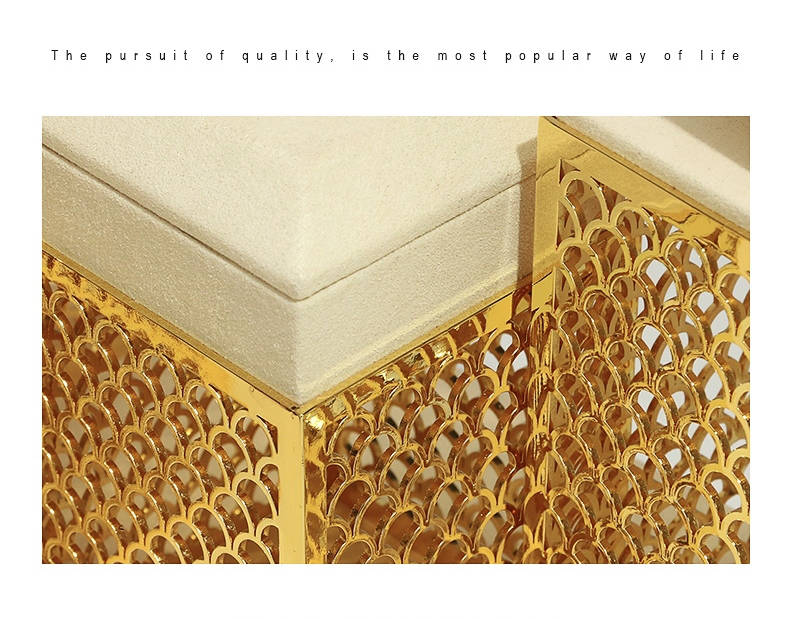
5. Minimalist Stands With Bold Accents to Keep Focus on Jewelry (and Increase Brand Recognition)
Minimalist jewelry stands are ideal for delicate stackable rings or bold statement necklaces; the key is using accents that highlight both pieces’ styles while simultaneously connecting back to your brand. Here’s how:
Pop Colors to Match Brand Identity: If your brand features a signature hue (e.g., emerald green for luxury brands), use it as a small accent on minimalist stands. For instance, display diamond necklaces on matte white acrylic stands with small inlays of emerald-green inlay (shaped like your logo) at the base – this adds subtle branding flair without overshadowing the necklace and making your display more memorable! Similarly for silver jewelry use charcoal gray stands with silver accents (such as thin metal borders) that will create monochromatic looks that feel sleek and modern.
Textural Contrasts to Elevate Delicacy: For delicate jewelry (e.g., thin gold chain necklace), choose a stand that contrasts in texture; for instance a smooth acrylic T-bar on a rough-hewn wooden base is an effective combination. The contrast between delicate chain and sturdy wood will help refine its appearance and bring warmth into the display; for bold statement jewelry (such as large beaded choker), use minimalist metal stands with soft felt inserts which cushion it while still providing structure, so as not to look “messy.”
When selling one-of-a-kind statement jewelry such as hand-sculpted metal cuffs, use an invisible acrylic stand to give the appearance of a floating object. For in-store displays, place the cuff on an ultra-thin acrylic stand against an unassuming wall; for online photos shoot it from multiple angles to show every aspect of its unique shape and details without distraction from other areas of design. This technique makes statement jewelry feel like art; thus justifying higher price points.
Final Tip: Measure and Tailor Based on Customer Input
There is no one-size-fits-all presentation strategy; pay close attention to how customers interact with your displays. For example: When customers keep asking to see the necklace better lit, adjust AI lighting settings accordingly to be brighter.
if online customers comment that the stand “looks different in person,” provide more photos that highlight its texture and size in your listings.
Similarly, in-store customers who love your biophilic stands with air plants might appreciate adding free plant cuttings as gifts with purchase to further accentuate their experience.
By matching the jewelry display stands to your jewelry’s strengths and your customers’ tastes, you will create an edge in presentation – turning jewelry not just seen but remembered by consumers.